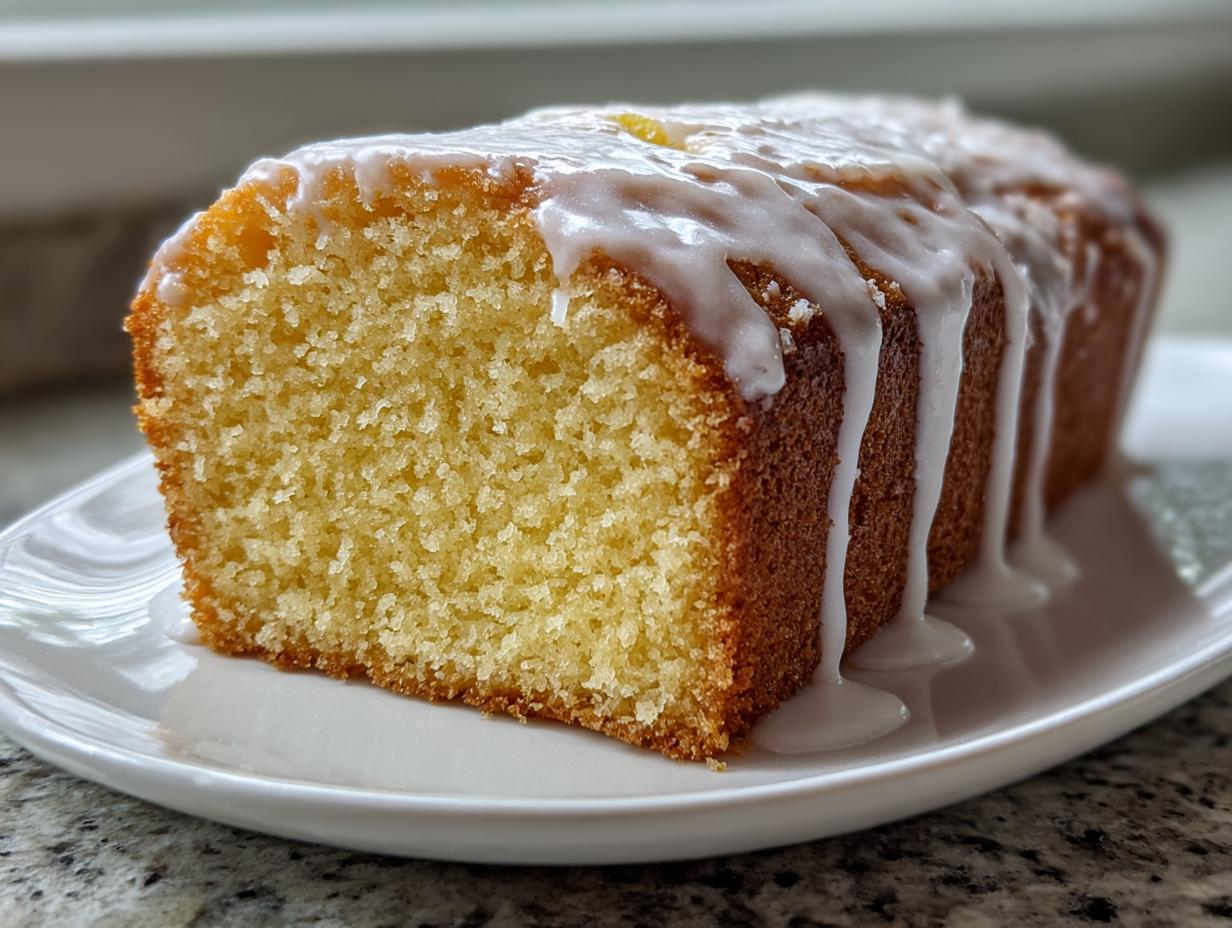
There's a reason why the mere mention of "lemon pound cake" conjures images of sun-drenched afternoons, celebratory brunches, and comforting homemade goodness. It's a classic for a reason: a rich, dense, yet wonderfully tender crumb infused with bright, zesty lemon flavor, all crowned with a glistening, tangy glaze. But the truly transcendent lemon pound cake isn't just good; it's perfectly moist, a quality that elevates it from a mere dessert to an unforgettable culinary experience. If you've ever dreamt of baking a pound cake that's not just good, but absolutely divine – one that earns rave reviews for its melt-in-your-mouth texture and vibrant citrus punch – then you've come to the right place. We're about to unlock the secrets to achieving that elusive, perfectly moist easy homemade lemon pound cake, ensuring every slice is a testament to baking perfection.
Unlocking the Secret to an Unforgettable Moist Lemon Pound Cake
The quest for a perfectly moist pound cake is a common one among bakers, and the good news is, it's entirely achievable with the right techniques and understanding. At its heart, a truly exceptional lemon pound cake recipe balances rich fats, sugar, and flour to create a delicate structure that remains tender and succulent. Traditionally, pound cakes earned their name from the original recipe's components: a pound each of butter, sugar, eggs, and flour. While modern variations might tweak these ratios slightly, the core principle of a substantial, satisfying cake remains.
So, what exactly contributes to that coveted moistness? It begins with the ingredients and their preparation. High-quality butter, for instance, doesn't just add flavor; its fat content is crucial for tenderness. When creamed correctly with sugar, it creates tiny air pockets that contribute to a lighter, more delicate crumb. Eggs, often used generously in pound cake recipes (some calling for as many as six!), provide structure and richness, while their fat content further aids in moisture retention. Even the choice of fresh lemon juice and zest plays a role beyond just flavor, contributing a subtle acidity that can interact with leavening agents for a better texture.
Beyond the ingredients themselves, proper technique is paramount. Overmixing the batter, for example, can develop the gluten in the flour too much, leading to a tough, dry cake. Conversely, mixing just enough to combine everything ensures a tender crumb. The temperature of your ingredients also matters immensely; room temperature butter and eggs emulsify better, leading to a smoother, more uniform batter that bakes evenly. Understanding these foundational elements is the first step towards mastering any homemade lemon pound cake.
The Essential Lemon Pound Cake Recipe: A Step-by-Step Guide
This lemon pound cake recipe is designed for both ease and exceptional results, ensuring a moist, flavorful cake every time. We'll walk you through each stage, from gathering your ingredients to the final, delicious slice.
Gathering Your Ingredients: The Foundation of Flavor
- 1 ¾ cups all-purpose flour
- 1 ½ teaspoons baking powder
- ½ teaspoon salt
- 1 cup (2 sticks) unsalted butter, softened to room temperature
- 1 ⅓ cups granulated sugar (divided)
- 4 large eggs, at room temperature
- 1 teaspoon pure vanilla extract
- ⅔ cup fresh lemon juice (divided)
Pro Tip: Ensure your butter and eggs are at room temperature. This allows them to cream together more efficiently, incorporating air and creating a smoother, more stable emulsion for your batter. Cold ingredients can lead to a lumpy batter and a less even bake.
Crafting the Perfect Batter: Technique Matters
- Prepare Your Pan: Preheat your oven to 350°F (175°C). Generously butter a 6-cup loaf pan (an 8.5 x 4.5-inch pan is standard). For easy removal and to prevent sticking, line the bottom and two long sides with parchment paper, leaving an overhang. Butter the parchment as well. This extra step is a game-changer for a clean release!
- Combine Dry Ingredients: In a medium bowl, whisk together the flour, baking powder, and salt. Set aside.
- Cream Butter and Sugar: In a stand mixer fitted with the whisk attachment (or using a hand mixer), cream the softened butter on medium speed until light and fluffy, about 2-3 minutes. Gradually add 1 cup of the granulated sugar, continuing to beat for another 3-5 minutes until the mixture is pale yellow and significantly lighter in texture. This creaming process is crucial for aerating the batter, which contributes to the cake's tender crumb.
- Add Eggs and Vanilla: With the mixer running on low speed, add the eggs one at a time, beating well after each addition until fully incorporated. Scrape down the sides of the bowl as needed. Stir in the vanilla extract.
- Incorporate Dry and Wet: With the mixer still on low, add the dry ingredients to the butter mixture in three alternating additions with ¼ cup of the lemon juice, beginning and ending with the dry ingredients. Mix only until just smooth and no streaks of flour remain. Be careful not to overmix, as this can develop the gluten and result in a tough cake.
- Bake to Golden Perfection: Pour the batter into your prepared loaf pan and smooth the top. Bake for 65 to 75 minutes, or until a wooden skewer or cake tester inserted into the center comes out clean or with a few moist crumbs attached. The cake should be golden brown and slightly raised in the center.
Baking to Golden Perfection and Cooling
Once your cake emerges from the oven, it's tempting to dive right in, but patience is key for that perfect texture and for the glaze to properly soak in. Let the cake cool in the pan for 15 minutes. During this time, the cake continues to set and firm up, making it easier to handle. After 15 minutes, run a knife around the edges of the pan to loosen any stuck bits. Carefully invert the cake onto a wire rack set over a baking sheet (this will catch any excess glaze later). Gently peel off the parchment paper.
The Tangy Kiss: Elevating Your Cake with the Lemon Glaze
While the cake itself is a masterpiece, the lemon glaze is truly what takes this lemon pound cake recipe over the top. It provides an extra layer of moisture, a delightful tangy sweetness, and that iconic glistening finish. It’s also incredibly simple to make, ensuring a perfect complement to your rich cake.
Making the Perfect Lemon Glaze
- ⅓ cup granulated sugar (remaining from the initial 1 ⅓ cups)
- ⅓ cup fresh lemon juice (remaining from the initial ⅔ cup)
In a small bowl, whisk together the remaining ⅓ cup sugar and ⅓ cup lemon juice until the sugar is completely dissolved. There’s no need to heat this mixture; the simple act of stirring will do the trick.
Glazing for Maximum Moistness and Flavor
With the warm cake still on the wire rack over the baking sheet, use a pastry brush or a turkey baster to generously spread the glaze all over the top and sides of the cake. The warmth of the cake is crucial here; it allows the glaze to penetrate deeply, infusing every crumb with more lemon flavor and moisture. Repeat this process until all the glaze is used up, including any that has dripped onto the sheet pan. The cake will drink it all in, becoming even more irresistible. Allow the cake to cool completely at room temperature, letting the glaze set and fully absorb. For an even more intense chill, you can wrap it in plastic wrap and place it in the refrigerator before serving.
Tips for Pound Cake Perfection: Beyond the Recipe
Achieving the perfect lemon pound cake isn't just about following instructions; it's also about understanding the nuances of baking. Here are a few extra tips to ensure your cake is always a triumph:
- Don't Overbake: This is perhaps the most common pitfall leading to a dry cake. Start checking for doneness at the earlier end of the baking time. If the top is browning too quickly, you can loosely tent it with aluminum foil.
- Fresh Lemon is Non-Negotiable: Bottled lemon juice simply doesn't compare to the bright, nuanced flavor of fresh lemons. For an extra punch of citrus, consider adding a teaspoon of lemon zest to your cake batter along with the wet ingredients.
- Pan Choice Matters: A light-colored metal pan will bake more evenly than a dark one, which can cause the edges to overcook before the center is done.
- Storage for Lasting Freshness: Once completely cooled and glazed, your lemon pound cake can be stored at room temperature, tightly wrapped in plastic, for up to 3-4 days. For longer storage, it can be refrigerated for up to a week, or frozen (well-wrapped) for several months. Always bring it back to room temperature before serving for the best flavor and texture.
- Serving Suggestions: While this lemon pound cake is absolutely divine on its own, it also pairs beautifully with a dollop of fresh whipped cream, a scattering of fresh berries (raspberries or blueberries are excellent), or even a scoop of vanilla bean ice cream. It's truly the perfect spring & summer dessert.
Mastering the art of a moist lemon pound cake is incredibly rewarding. By paying attention to ingredient quality, precise techniques, and the magic of a warm glaze, you can consistently produce a dessert that is not only delicious but genuinely memorable. This lemon pound cake recipe is more than just a list of steps; it's a guide to creating a culinary delight that embodies comfort, brightness, and pure baking joy. So go ahead, preheat your oven, gather your lemons, and prepare to impress everyone with your perfectly moist, zesty creation!
